
Category: InterviewCategory: Interview

Camilla Wickman has a new album ‘Red Rock, Seal Skin‘ coming out August 22, 2025.
In this interview you’ll hear how Camilla started making frequent social media posts to promote their upcoming album, which felt out of alignment.
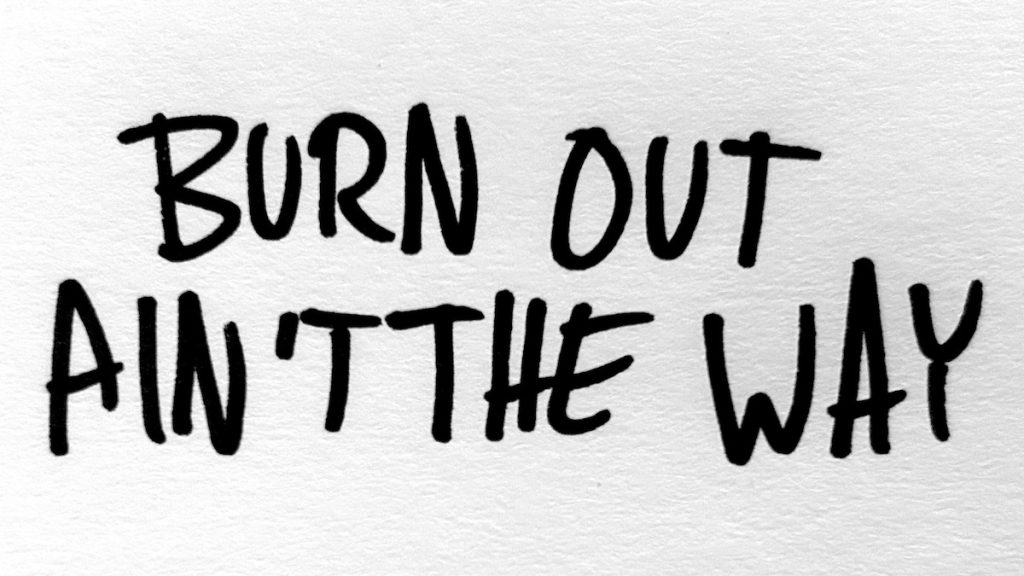
“There’s been a long period over the winter and early spring where I was just like, what now? You know, what does it look like to kind of try and play the long game, or just be authentic? And I think there was a minute there where I was like, maybe I just quit music.”
Thankfully there was enough goodness around to keep moving forward.
(more…)
Kristen started her Awesome Ladies Project years ago by inviting a few people off of Instagram to be creative together on a Zoom call.

“I wanted to build like a an alt feed where people could feel comfortable sharing the art that they’re making. And that’s been the underlying bridge of everything that I’ve done is I want to have this place on the internet where people feel safe telling the stories that I’m asking them to tell because I ask people to do kind of vulnerable things sometimes and I want to make sure that they have a space where they feel like I’m not, you know, throwing them out to the wolves.” Kristen Tweedale
The internet is a big, wide open world. Building your own community is the opposite of that, where your work and the things you share exist in a smaller space, with the right group of people who can enjoy it in peace.
(more…)Had an amazing chat with artist David Speed on his Creative Rebels podcast:
“Navigating (social media) is hard, so I was so happy to chat with Seth Werkheiser who offers a bunch of alternative ways to connect with your audience. Ways that don’t involve spending six hours producing a video that won’t be shown to the people who have chosen to follow you!”
We end our chat talking about this post ‘Outdated expectations kill creative dreams,” which is about my dad, and I was surprised to find myself getting emotional talking about it, but that’s where the conversation went!
Give a listen to the full 57 minute interview on Substack or Apple Podcasts.
What’s your sense of the moment we’re living in now, in terms of art and communication, compared to a few years ago?
It’s probably biased, because I talk to a lot of people who are looking to get away from social media. But that’s okay, that’s who I want to talk to. I don’t want to talk to people about maximizing reach with paid ads on Facebook, I want to talk to people printing out their poetry and leaving copies around town.
Read more of this interview over at Soul Writer.
Given Ryan J. Downey’s experience in doing interviews with everyone, I had to ask what an artist could learn from his interactions with so many big names in the entertainment world.
It’s absolutely essential for an artist—and by “artist,” I mean that broad umbrella of musicians, filmmakers, painters, authors, comic creators—they’re all storytellers. They’re communicating something through whichever medium they’ve chosen. And it’s so important to have something to say.
Sure, you can make something that doesn’t really say much. Maybe it catches fire for a little while. But that kind of work doesn’t last.
When I say “something to say,” I don’t necessarily mean a political stance or a religious message. It doesn’t have to be Rage Against the Machine or Skillet. I mean having an idea, an emotion, or a feeling that needs to come out.

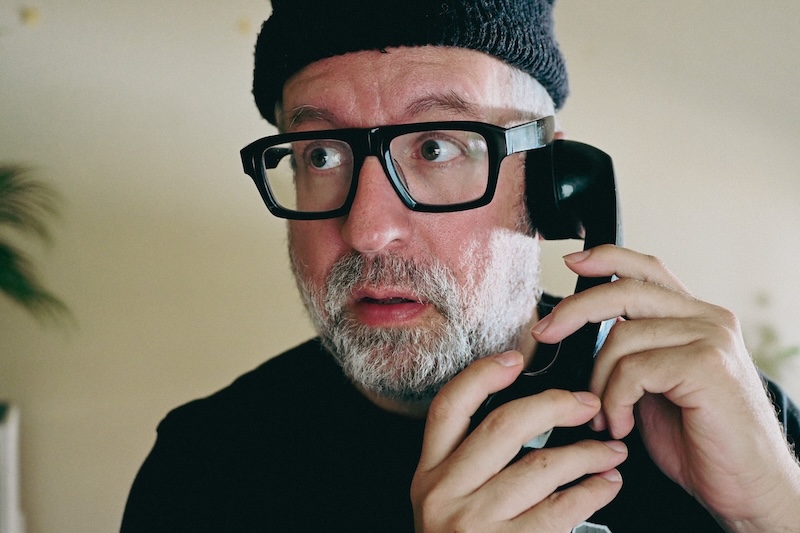
You’re tired of social media, but wondering if there’s life after the newsfeed. That’s exactly what we figure out here – together. 🏳️🌈🏳️⚧️
→ See our upcoming Zoom schedule
Say hello. Ask about working together. Tell me how you’re doing: seth@socialmediaescape.club
Subscribe via RSS