
Category: TechnologyCategory: Technology
I’ve had an iPhone since 2008 or so, but with every passing year I lose interest in keeping up. This from Chris Gayomali is pretty spot on:
I hate that we are all like “our phones make us feel awful” and Apple is like “here is more phone and now it’s $2000”
And yet, “just over half of U.S. adults say they spend too much time on their smartphone,” according to a Pew Research Center survey from May and June 2026.” (via Pixel Envy)
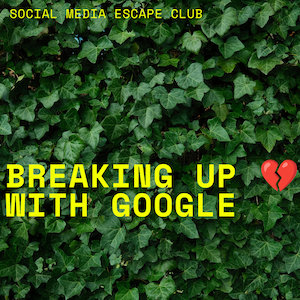
Maybe you’re curious about leaving Google – Gmail, Workspace, Google Search, Photos, Drive.
There’s plenty of videos to watch and articles to read on the subject, but it might be helpful to talk to people who’ve actually left some of those Google Products!
I left Google Workspace years ago and use Fastmail and Proton. Other people on the call have various stories and new tools that they use.
This isn’t a webinar and there’s no pitch. It’s a group of people who’ve been down this path (or are just starting to think about it) trading real experiences.
Monday, August 31 at 9:00 AM → https://luma.com/wh4686yh
Thursday, September 3 at 2:00 PM EDT → https://luma.com/1q9brs2t
From “Bespoke Websites for Emergencies are an Active Thing“
“A single website URL is much easier to give to friends and family, who don’t really know how to look up the data on their own, but it’s something that can be put in a text message. “Go to this site,” is all you need to say. They’re happy.”
Look, not everyone is on social media these days, but every smart phone still ships with a web browser. (via Hacker News)
This from “I Moved My Entire Business Off Big Tech. Here’s Exactly How and Why,” by Tracy Stewart.
“Every single company in my new stack offers real human help. Phone, live chat, email with actual responses… I hadn’t noticed how completely I’d accepted the big tech model of help articles and chatbots until I experienced the alternative. Small companies compete on care. It shows. It makes a genuine difference.”
This is such a huge point to consider when leaving the big services – companies actually want to help you use their service!
I know setting up a website sounds hard, or moving to a new email platform, or figuring out something with domain names! But I promise, there are good companies out there with great help documents, and staffed by people who actually will help you. Like Tracy says above, we’ve accepted the big tech model of service, which is usually a let down!
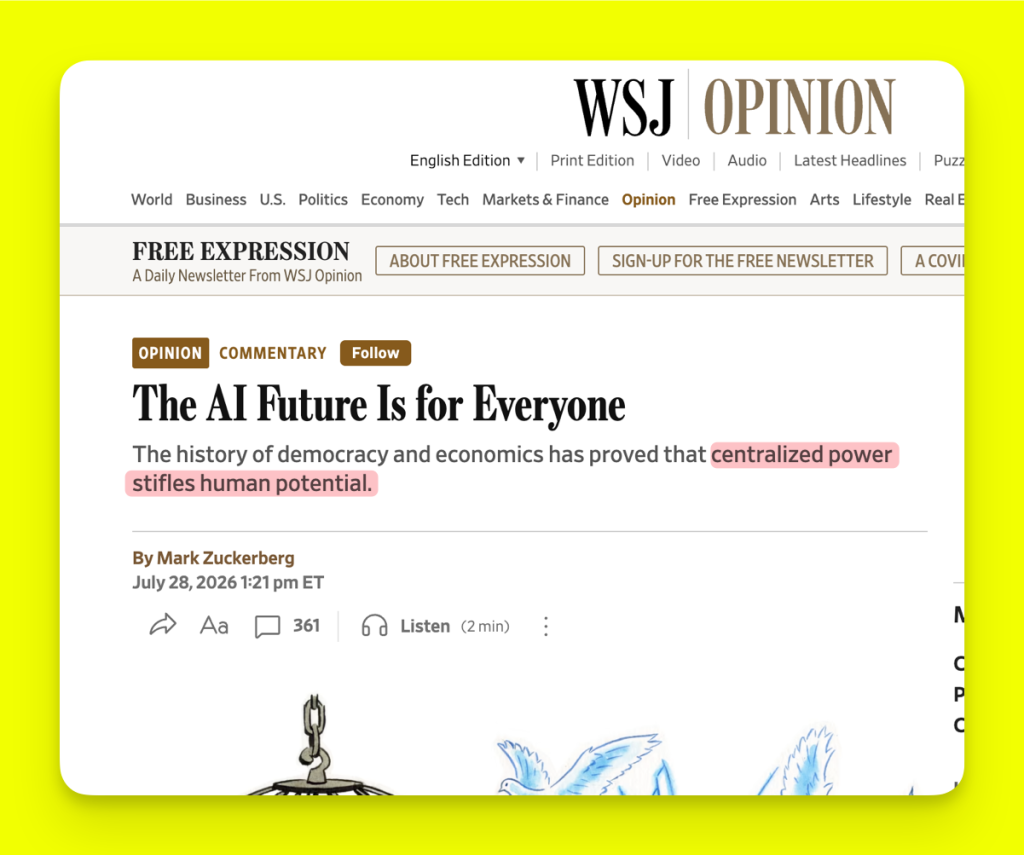
I wrote, “maybe centralized kingdoms of power and influence aren’t the answer” back in January of 2024.
Now Mark Zuckerberg writes, “the history of democracy and economics has proved that centralized power stifles human potential.”
I mean, he’s talking about the fantasy world of “delivering personal superintelligence,” but he’s right about one thing: centralized power stifles human potential.
It stifles creative potential, artistic potential, (ahem) home ownership potential… large platforms like Facebook and Instagram wield so much power, determining who wins and who loses on a minute to minute basis. I know they don’t owe anyone free traffic, but it’s their digital roulette table system that stifles the creative efforts of millions (unless they pay up, of course).

You’re tired of social media, but wondering if there’s life after the newsfeed. That’s exactly what we figure out here – together. 🏳️🌈🏳️⚧️
→ See our upcoming Zoom schedule
Say hello. Ask about working together. Tell me how you’re doing: seth@socialmediaescape.club
Subscribe via RSS