
Category: Social MediaCategory: Social Media
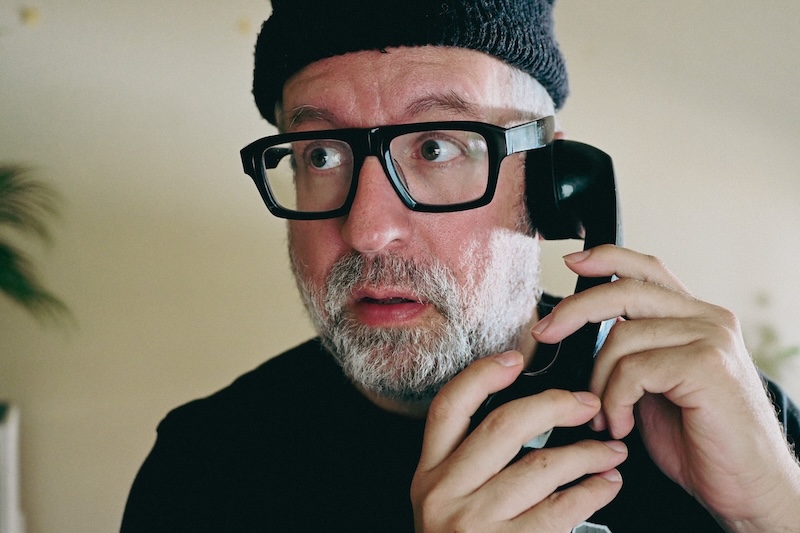
From Noah Kalina’s latest video, “I Hope You Like Photography (Hotline 47):”
I was out taking pictures and I made a picture that I really like. I was working on it and I was like, “This is so good.” And I was like, “What am I going to do with this?”
My natural inclination is to want to post it on the internet, but why? I almost feel like it’s embarrassing to post things on the internet now.
Like, no one likes it, being on the internet. So why would I take something that I like and put it somewhere that no one likes? No one wants to be. Everyone’s trying to avoid. People are trying to spend less time there. And here I am with something that I feel good about, putting it in a place like that – why would you do that?
If that was like a real place and it was like, “oh, you can have a show, but it’s in this room and it’s cursed and everyone who enters the room hates themselves. Feel free to put your art up.”
Why would you do that? You wouldn’t. But here we are posting on the internet.
I said this for years regarding Twitter – why would I want to post on that platform when what I write could sit right between gossip and drama and assorted bullshit?
It’s like what Noah mentions – you can post your artwork, but it’s on a platform where everybody is trying to look away, to spend less time.
Posting our work on those platforms feels we’re polishing the brass on the sinking Titanic. The work we do there will have zero lasting impact. Abandon ship while you can, and figure out another way to stay in touch with friends and family.

1. PITCH YOURSELF
Social media isn’t the only way to build an audience – pitch yourself!

Tawny teaches how to do this, too. Check out their class schedule here.
2. ABOUT PAGE COLLABORATIVE WORKSHOP!
◼️ Feb 13th at 2pm EST.
Click here to add your name to the wait list and I’ll send you an invite link when it’s ready to go.Admission will be free, with a “Pay What You Want” option if you’d like to support this work.
3. THINK ABOUT FOLLOWERS VS COMMUNITY
Consider this quote from Kato McNickle, from a recent Escape Pod Zoom call:
“What I’m hearing though is a conflation of audience, followers versus community, because followers aren’t about engagement. Followers are not comments beyond “oh dazzling,” “oh love it or hate it,” right? That’s that follower mentality. But think about whether which format you’re in; are you trying to stoke community? Because I don’t know that social media, when you’re talking about engagement, you’re talking about community, not really followers. Followers don’t owe you anything.”
Don’t lose sight of the people who are already on your list, the people who’ve already signed up and said “I want more of what you’re doing.”
Consider what might happen if you took half the time you spend on getting MORE FOLLOWERS and instead invested that time in the people right in front of you.
4. THINK ABOUT YOUR ARCHIVES
This came up in this week’s Escape Pod Zoom call; what happens to our website when servers crash? Or climate disasters lead to mass outages?
As we’ve seen recently (TikTok?!), platforms come and go. My first music blog is only archived on the Wayback machine going back to 2013 (so everything going back to 2001 is gone).
Print an archive of your work on newsprint.
Make booklets and / or zines.
Make prints of your photos.
Put your music to CDs and cassette.Think of somebody finding a printed artifact of your current project a decade from now while they’re moving. Imagine getting that photo from a friend, with a “look what I found” message. Yeah. It can happen, and it’s great.

A conversation I had recently with a friend:
If Axl Rose said “I get up around 7, get out of bed around nine,” in the song Mr. Brownstone in the year 1987, what the heck was he doing in bed that whole time before smart phones?!?
Probably cocaine.
It is the subject matter of the song after all.
Goes to show how addictive our smart phones are!
Sarah Faith Gottesdiener and I talked about building a sustainable business with an email list, rather than relying heavily on social media.
Sustainable can mean a lot of things, but we found in our conversation that it means ease, calm, peace. Like sharing resources, and solving problems together.
This can mean having fun in putting together a newsletter each week, as it’s not just for “marketing purposes,” but it’s to bring joy and fun to your readers, as Sarah mentions here:
“There is this genre of newsletter that is really fun where you’re not quite sure what you’re going to get. You know, will it be a playlist one day? Will it be my top 10 favorite places to eat when I’m touring in Cincinnati? It’s like you don’t know, and I think that’s also kind of fun, too. It’s like, ‘what are they going to send me this time?’ Like maybe it’s a fun treasure trove or surprise box. That’s another way to approach it”
And when we share these adventures with readers, we bring in the right readers, those who appreciate our weirdness, our unique views of the world, or our excellent choices for our weekly playlist. Says Sarah:
“It’s much better to have a thousand people on your newsletter who really get you and really understand and are interested in what you have to share and say, than 10,000 who don’t know who you are, who are going to unsubscribe every time they get a newsletter from you.”
The rush for some subscriber milestone, or sales goal, or daily traffic – the constant seeking of more, instead of better. Seeking the right people to invite in, as Sarah and I discussed in this clip:
We’re not for everyone. Decide who enters our creative space.
This is why we don’t start bands that sound like everyone else, or we don’t make paintings or take photos or make podcasts that follow popular trends – we’re doing things our own way.
We’re making art and running our businesses the way we want to run them, so our newsletter – this means by which we reach our biggest fans – should be run in a way that reflects how we operate. Says Sarah:
“How can your newsletter be a playground? How can it be another fun creative outlet? Like, do you have a creative outlet that fits the container of the newsletter?”
A newsletter can be peaceful. You could send a newsletter once a week, instead of posting three times daily on Instagram.
Now, maybe you’ll lose some likes, and fall out of favor of the algorithm, but who are we serving here?
Are we spending our time in 2025 increasing shareholder value for Meta?
What if we saved the bits we would post on social media (yes, even Substack Notes) and published it in our newsletter instead?
Flip “Instagram eats first” to “my subscribers eat first.”
Save your witty rants, magical photos, and delicate thoughts for a weekly newsletter, feeding those who signed up to hear from you, rather than hoping a social media post “goes viral” and brings in 25 more subscribers.
Because what is enough?
That question came up in last week’s Escape Pod Zoom call.
The whole, “doing a thing, and then having to increase the visibility of that thing on social media” To what end? What is enough?
Could we trust our own audience, the network of creative people in our orbit, to share and talk about our work? It may take patience, as it might not lead to some “viral” moment, but is building our work on “going viral” a good strategy in the first place?
What if our work resonated just a bit more deeply with the people who already love our work? Could they love it more? What’s that look like, and how can we get there?

Who could have seen this coming?
It was July of 2023 when Instagram boss Adam Mosseri said this:
“Politics and hard news are inevitably going to show up on Threads – they have on Instagram as well to some extent – but we’re not going to do anything to encourage those verticals.”
But now?
“Our intention is to introduce political recommendations in a responsible and personalized way, which means more for people who want this content and less for those who do not.”
Several friends have said they’re glad Threads wasn’t super political, and a nice change of pace from Twitter.
But when your town hall is run by a bunch of money hungry clowns who are desperate to appease the new regime, this is what you get. The “food court” that you thought was still an okay place to hang out was always destined for this outcome.


You’re tired of social media, but wondering if there’s life after the newsfeed. That’s exactly what we figure out here – together. 🏳️🌈🏳️⚧️
→ See our upcoming Zoom schedule
Say hello. Ask about working together. Tell me how you’re doing: seth@socialmediaescape.club
Subscribe via RSS